The short answer
How do you choose an event management company?
Shortlist three companies that have run your format at a similar scale, give them all the same written brief, and compare their itemised estimates line by line. Then check who will actually run your event on the day, how their partners are managed, and what evidence they can show of similar work.
Start with a one-page brief
Without a shared brief, you cannot compare quotes, because each company will price its own idea of your event. One page is enough if it covers what the event must achieve, who attends, the dates and city, your budget range, and anything that cannot change.
Decide which kind of company you need
“Event company” covers very different businesses. Picking the right type first saves weeks of meetings.
-
Full-service event company
One team for concept, venue, production and show-day control. Good when you want a single point of accountability, as with end-to-end event management.
-
Format specialist
A conference organiser, stall fabricator or BTL agency goes deep on one format. Good when the format is the hard part.
-
Venue or hotel team
Convenient for simple events inside one property. Check what is included, and what you still need to bring in.
-
Independent planner
Often suits smaller events. Ask how they would handle a vendor failure, and who covers if they are unavailable.
What to check on your shortlist
-
Relevant work
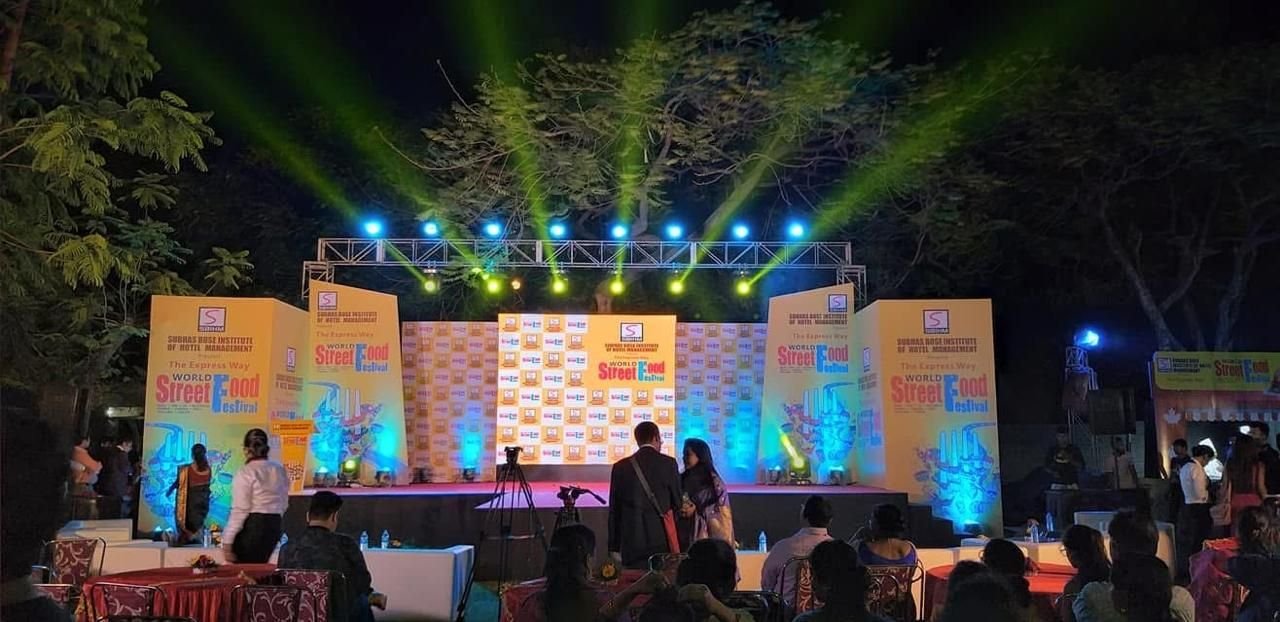
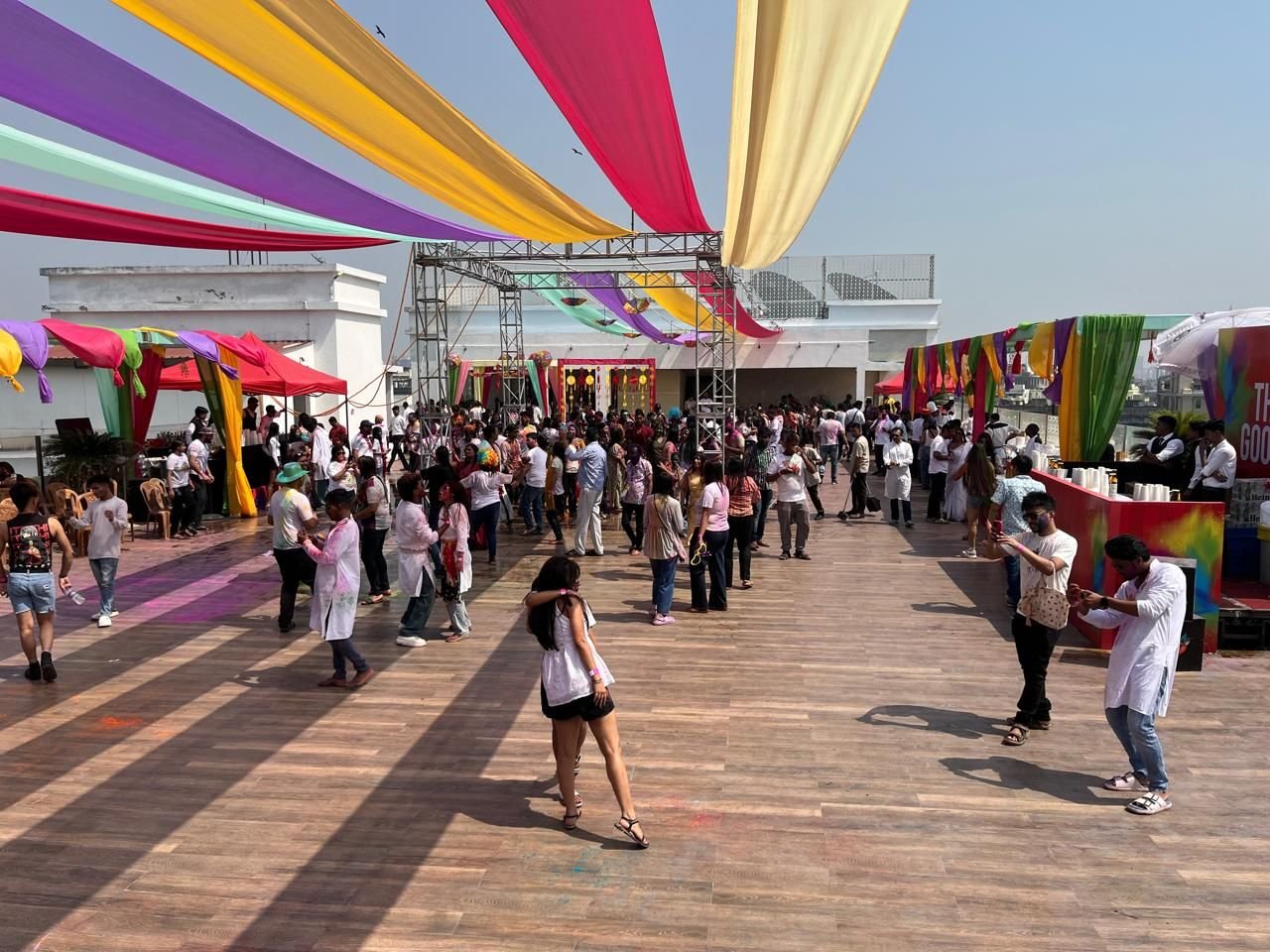
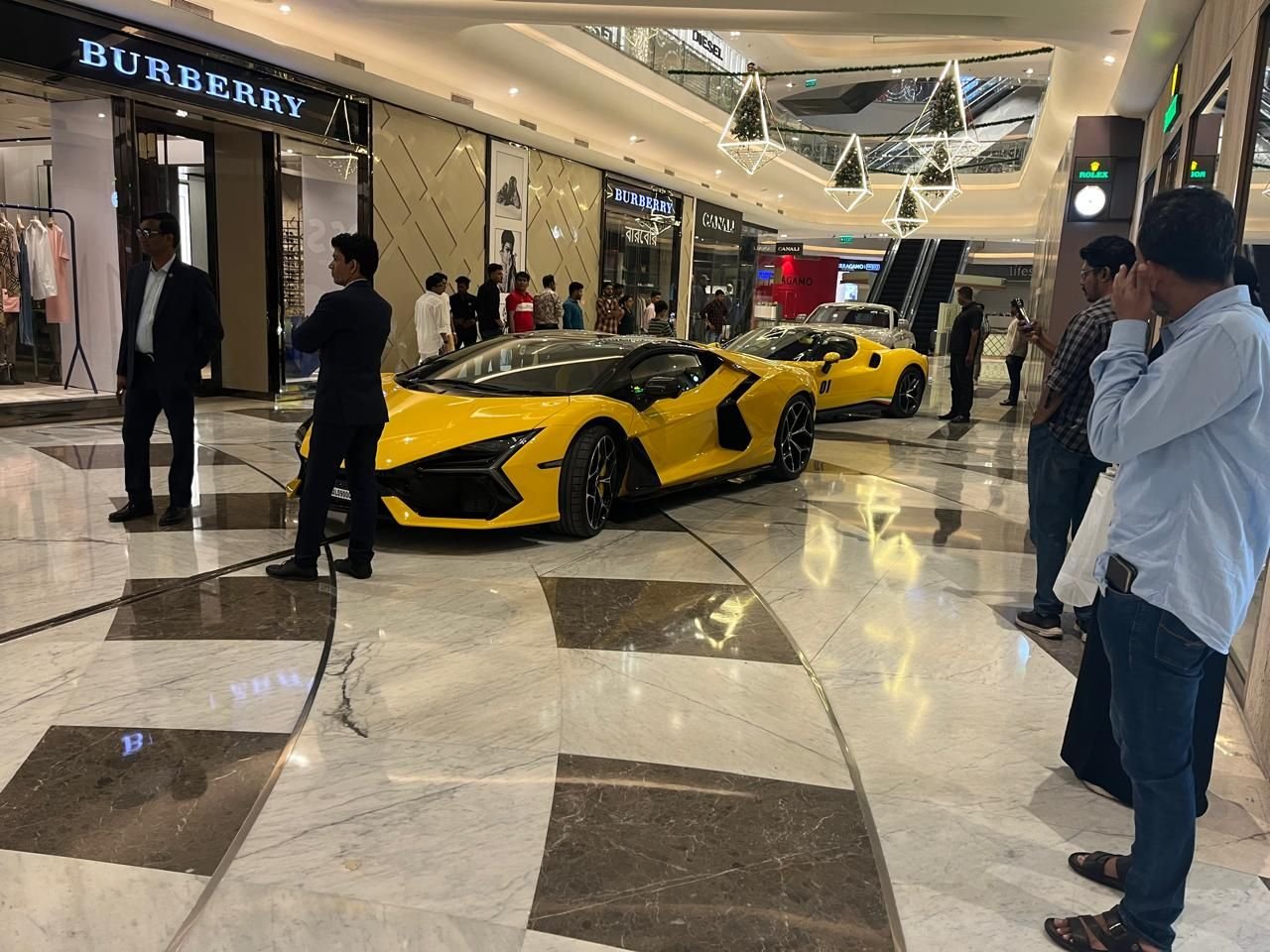
Ask for photographs, a running order or a reference from an event close to yours in format and size. Logos alone prove little.
-
The actual team
Find out who will manage your event, not only who is pitching for it, and whether they will be on site.
-
Partners
Most companies use partners for some fabrication, AV or staffing. Ask how they are vetted and who is accountable when one fails.
-
Rules and permissions
They should raise fire safety, venue rules, local permissions and music licences without being prompted. Requirements vary by state and venue.
-
Your city
If they are not local, ask how the recce is done and who the on-ground partners are.
-
Paperwork
Check that they can meet your procurement needs: registration details, tax invoices, purchase orders and reconciliation.
Questions worth asking in the first meeting
- Which part of our brief looks hardest to you, and why?
- Who is our single point of contact from brief to dismantle?
- What will you need from us, and by when?
- What usually goes wrong on an event like this, and what is your plan for it?
- Which costs are likely to change after approval?
- What happens if we postpone or cancel?
- What will we receive after the event?
The first question is the most useful. A company that has done the work will usually have a specific and slightly uncomfortable answer.
How to compare quotes on equal terms
Put the estimates side by side and check quantities, not only totals. One LED wall can be much larger than another at the same line name, and a “sound system” can mean very different things.
Check whether taxes are included, whether set-up and rehearsal days are charged, and how the company earns its fee, either as a visible management fee or as a mark-up inside each line. Either can be fair, but you should know which you are comparing. For the budget itself, see what moves a corporate event budget.
Warning signs
- A lump-sum estimate with no quantities or specifications
- No named person responsible for your event
- No recce planned before the design is finalised
- Client logos that nobody can give a reference for
- Reluctance to put scope and exclusions in writing
- A much lower quote with no explanation of what is different
A note on directories and best-of lists
Directories and “top 10” lists are a reasonable way to build a longlist, but listings can be paid for or self-submitted, so treat them as a starting point rather than proof.
We are an event management company ourselves, so we would expect you to ask us these same questions.
Need an estimate for your own event?
Share your brief and we will come back with questions, ideas and an itemised estimate.
Start an enquiry